Midvalley sits on the east shore of a sheltered bay that narrows into a wide river mouth. The town’s layout follows a single north-south ridge that drops into tidal flats on one side and rises to a state park on the other. Residents measure distance in blocks, not miles, because almost every neighborhood touches either water or trail.
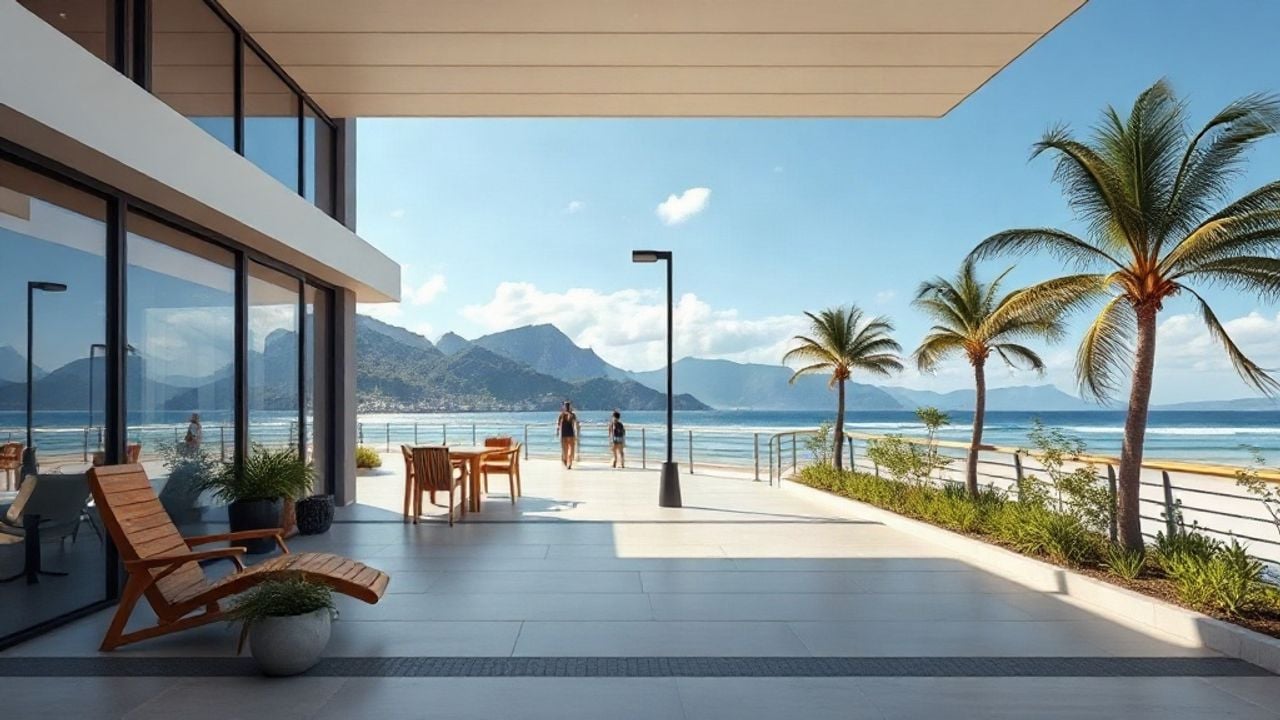
Locals stay and visitors arrive for identical reasons. The waterfront boardwalk runs uninterrupted for three miles, past working docks, pocket beaches, and a restored rail trestle now used by cyclists. Inland, a grid of older houses surrounds two limited commercial streets where restaurants share space with hardware stores and a weekly farmers market. Marked loops that range from one to eight miles open in Douglas-fir forest one more mile east at the state park.
A ten-minute drive reaches everything visitors need. Free street parking lines most residential blocks, public lots sit at both ends of the waterfront, and two bus routes connect the ridge neighborhoods to the ferry terminal. Walkers, cyclists, and drivers can reach every stop on the schedule without retracing their route since the layout is efficient.
 MidvalleyMidvalley
One-Day Midvalley Itinerary
- Arrive by 9 a.m. and park in the free lot at South Beach. Walk the boardwalk south to watch fishing boats unload their morning catch.
- Rent a kayak at the kiosk and paddle the marked route under the rail trestle, returning by 11:30 a.m. to catch the slack tide.
- Drive or bike three blocks to Elm Street for the farmers market. Pick up lunch supplies and eat at the picnic tables behind the library.
- Follow the marked heritage walk along First Street. Stop at the Carnegie library museum to see the photo exhibit on the original rail line.
- Hike the short loop in Midvalley State Park, aiming to reach the ridge viewpoint by 5 p.m. for sunset photos.
- Return to the waterfront for dinner at the Italian restaurant, then walk the lit boardwalk until the last ferry departs.
Practical Tips for Visitors
Tides in Midvalley Bay change by more than eight feet between high and low. Always check the posted tide chart at the kayak kiosk before heading out on foot or by water; exposed mudflats can trap visitors for hours.
- Street parking is free but fills by 10 a.m. on weekends. Arrive early or use the overflow gravel lot at the state-park trailhead.
- Public restrooms sit at both ends of the boardwalk and inside the library. The pier-end café also welcomes non-clients for restroom use.
- Bring layers. Morning fog can drop temperatures ten degrees below the afternoon high, and wind off the water adds a chill even in July.
- Most restaurants close by 9 p.m. on weeknights. If you plan a late dinner, confirm hours by phone before 5 p.m.
- Cell coverage drops in the state-park interior. Download an offline map of the trail system before you begin the ridge loop.
Coastal Paths and Shoreline Exploration
The shoreline changes character every half mile. Winter storms pile driftwood along the narrow sand strip that South Beach becomes at high tide. Families lay blankets here because the ocean floor stays shallow enough for children to wade far out. North Beach, protected by a jetty, keeps a sandy bottom even at low tide, so kayakers and paddle-boarders launch without scraping rocks. An old rail grade now carries a gravel path that runs between South Beach and North Beach. Cyclists and joggers share the route with local dog-walkers who pause at the viewpoint bench overlooking the bay.
Midvalley State Park begins three blocks inland at a gravel lot that has no sign. After rising 400 feet in its first mile, the main loop levels off among second-growth timber inside the park. A side trail drops to a freshwater pond where herons hunt in the shallows. Rangers post tide tables at the trailhead because several routes reach pocket beaches accessible only at low tide. In summer the park stays open until 10 p.m., giving hikers time to watch the sunset from the ridge before descending.
Paddle and Kayak Adventures
At the South Beach kiosk, rentals can be obtained. Guides recommend launching two hours before high tide to ride the current into the river mouth and back before the flats expose. A marked buoy line keeps paddlers away from the ferry lane. The round trip takes about ninety minutes in calm conditions and passes under the rail trestle where harbor seals sometimes rest on the pilings.
Culture and Neighborhood Walks
The oldest block in Midvalley runs along First Street, where Victorian houses sit shoulder to shoulder with newer craftsman bungalows. Several have been converted into modest galleries or studios. An evening walk that begins at the library and concludes at the waterfront café is offered by the Midvalley Artists Guild on the second Saturday of each month. The route passes the 1912 Carnegie library building, now a local-history museum with rotating photo exhibits on the fishing fleet and the railroad era.
Two blocks south, the commercial spine shifts to Elm Street. Here the storefronts house a bookstore, a bakery, and a hardware store whose owner still cuts keys by hand. The closed-off street hosts the weekly farmers market on Saturday mornings between May and October. Local growers sell berries, mushrooms, and fresh shellfish pulled that morning from the bay. Visitors frequently walk their purchases to the picnic tables behind the library, where the view opens toward the water.
Evening Dining Choices and Nighttime Strolls
Most restaurants cluster within three blocks of the waterfront. The pier-end fish-and-chips window opens at 11 a.m. and closes when the last ferry departs. Two blocks inland, a family-run Italian spot serves house-made pasta on long communal tables. Reservations are unnecessary on weeknights, but weekends fill by 6:30 p.m. For lighter fare, the bakery stays open until 8 p.m. and offers savory hand pies and soup.
After dinner, the boardwalk lights come on at dusk. Benches face west, and on clear evenings the sun drops behind the headland over the bay. A seasonal outdoor cinema sets up on the grass behind the library on the third Friday of each summer month; relatives bring blankets and the library loans portable radios for the audio track. The last ferry leaves at 10:15 p.m., giving visitors time for a final stroll before heading back to the mainland.
Common visitor questions about Midvalley
Is Midvalley good for a day trip from the city
Yes. The ferry crossing takes forty minutes, and the town center lies within a ten-minute walk of the terminal. Most visitors complete a full loop of beach, market, and park before catching the evening return ferry.
Where can I launch a kayak in Midvalley
The South Beach kiosk rents single and double kayaks daily from May through September. Launch directly from the sand at any tide above three feet; the marked buoy line keeps paddlers clear of the ferry lane.
Where can visitors park for free near the water
Street parking along residential blocks is free and usually provided before 9 a.m. Two public lots at the north and south ends of the boardwalk also charge no fee, though they fill by mid-morning on summer weekends.
What are the farmers market hours
The market occupies Elm Street every Saturday from 9 a.m. to 1 p.m., May through October. Vendors accept cash and most cards; some offer modest bills for change if you arrive with larger notes.
Can hikers stay on trails after sunset
The park closes at 10 p.m. from June through August and at sunset the rest of the year. Rangers recommend carrying a headlamp on any trail longer than the one-mile pond loop, since tree cover blocks ambient light quickly after dusk.
Are dogs allowed on Midvalley beaches
Dogs are welcome on leash at both South and North Beach. The state-park trail system also permits dogs on leash except on the short spur that leads to the heron pond, where posted signs ask visitors to leave pets outside the nesting area.
Midvalley rewards visitors who move at the pace of the tides. A single day can include a morning paddle, an afternoon market stroll, and an evening walk along the lit boardwalk, all within a few blocks of free parking and regular ferry service.
Plan around the published tide tables, carry an extra layer, and leave time to sit on one of the benches facing the water. The town’s layout makes it easy to adjust the schedule on the spot if the weather or the crowd changes.